Wednesday, December 10, 2025

Entry #10:Déjà vu

 There's this weird, split-second moment most of us have experienced, the sensation that you've already lived the moment before. You walk into a room, someone says something ordinary, and suddenly your brain whispers, Wait... this already happened. That flicker or familiarity is a phenomenon called Déjà vu. Most people can relate, but only a few can explain. 
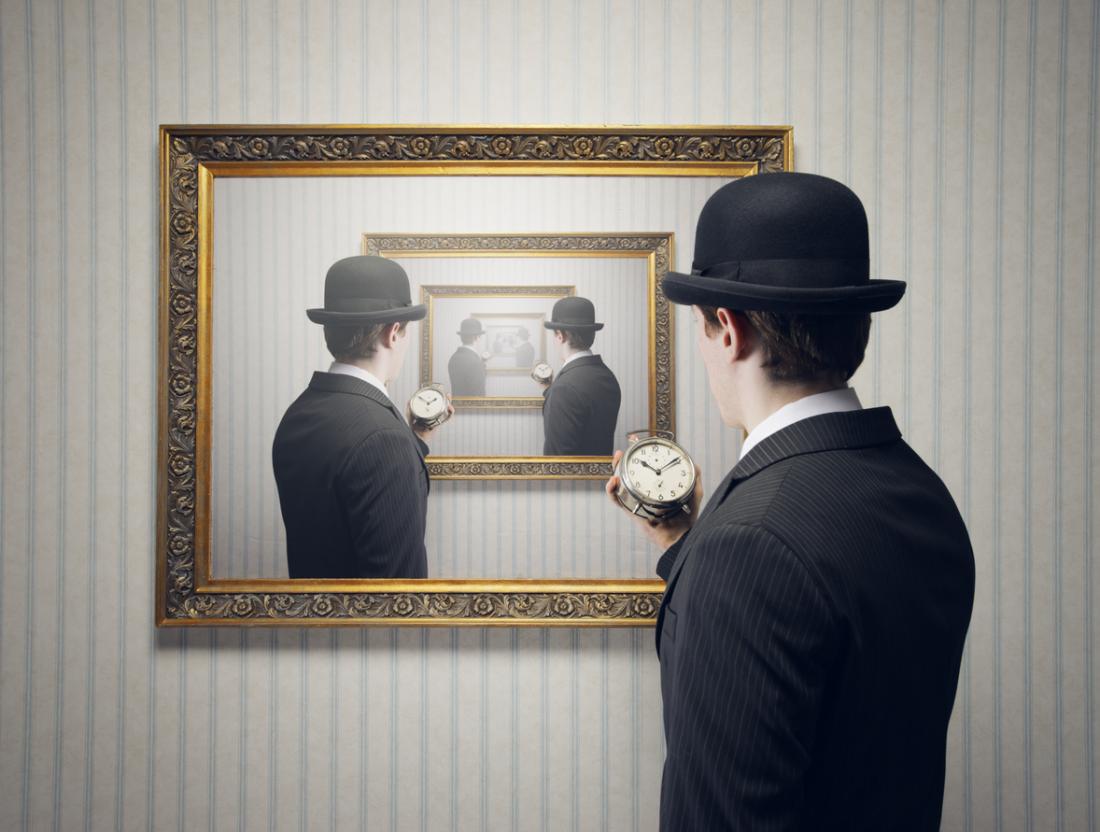

image link

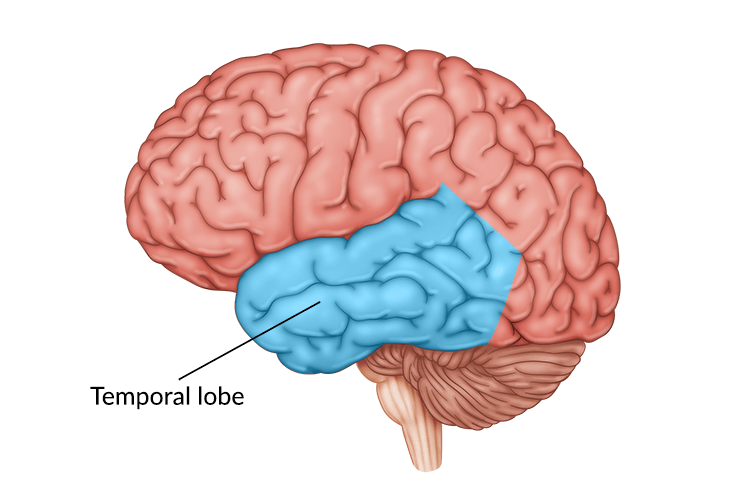
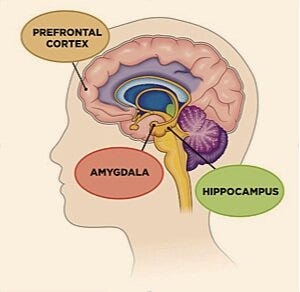
When I was younger, I remember walking through my elementary school on my way back from the bathroom, and all of a sudden, I had that strange feeling wash over me. I had to stop for a moment and figure out what just happened. It felt like I was a fake person reliving my life again. After researching, the Cleveland Clinic revealed that 97% of people have had the same feelings of a moment already happening at least once in their lifetime. It was also revealed that déjà vu actually means already seen in French. Déjà vu is basically a mind/memory game that happens because the temporal and hippocampus parts of your brain miscommunicate. It makes you feel like you've been in that scenario before, but you actually haven't. 


What makes Déjà vu stand out is how universal it is. Even though it's a quick moment, it shows how active and complex our minds really are. Rather than just a strange feeling, it serves as a small reminder of the intricate processes behind memory and perception. 


Tuesday, December 9, 2025

Entry #9: Looks Can Be Deceiving


                                                                         image link

While searching the web, this cartoon immediately caught my eye. It exposes something most people don't usually think about, which is the difference between what regulators are approving versus what's really happening behind the scenes. The picture shows a filthy food factory covered with rats, rotten food, and leakage spills. Despite the disgustingness, the FDA still smiles and says, "Keep up the good work." 


image link

What makes this cartoon worth sharing is that it shows a greater perspective on big organizations. We are taught to trust big companies with important names and look no further into it since they "know what they're doing." It points out how some people don't do their jobs as they should, and just because people seem fed and happy, they let other things pass their attention. It raises questions about whether the food is really safe. It's a reminder that asking questions and digging deeper into things that might seem safe is ok. This cartoon helps us stay aware and not automatically trust everything we're told.

Although this cartoon might look like a funny drawing, it holds a deeper meaning about the world we live in. It encourages us to look closely into the systems we rely on and make sure they're working the way they should.    

Entry #8: Time and its effect on your future- What quadrant do you spend most of your time in?


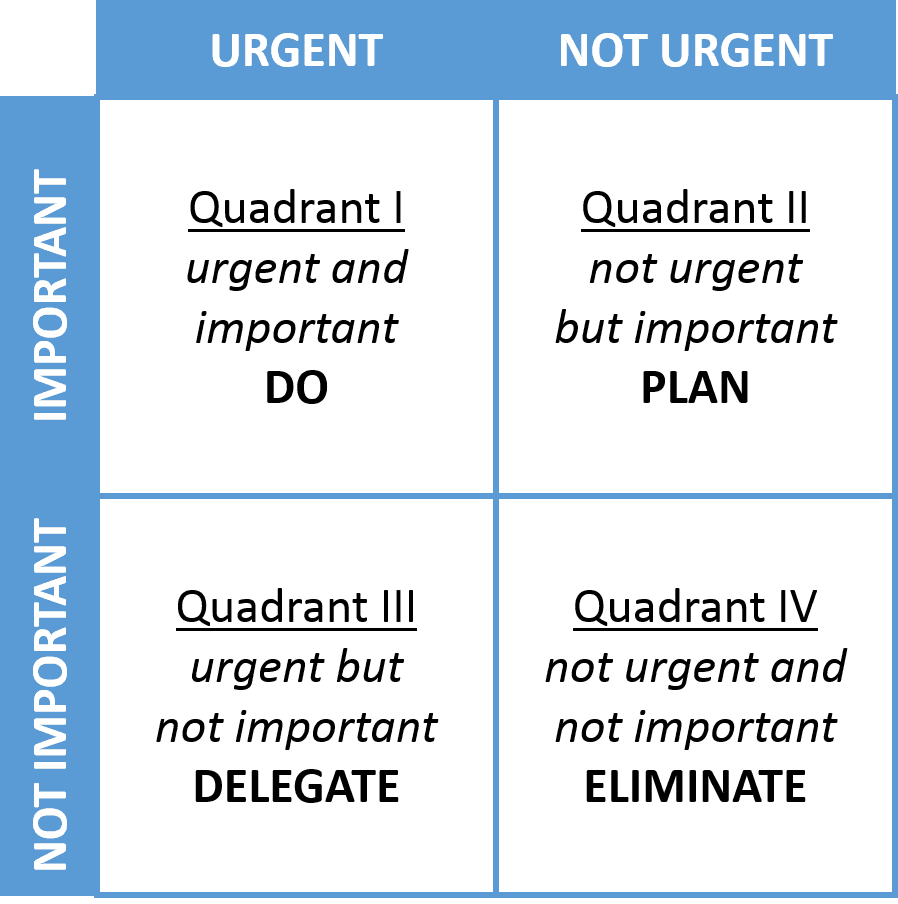
Welcome back to another blog post! Today I wanted to tie in something I learned from my career class, the four quadrants. The idea is simple: everyday tasks fall into one of the four boxes: important and urgent, important but not urgent, not important but urgent, and not important and not urgent. What surprised me was realizing the impact of the simple acts/tasks I did each day and their effect on my future. The habits that feel small or automatic are actually the ones deciding which quadrant we spend most of our time in; that choice ends up shaping our long-term success without us even realizing it. 

To break it down further, quadrant 1 is the crisis zone. This is where severely urgent tasks take place, such as finals, major deadlines, or last-minute studying. Quadrant 2 is where real growth happens. This includes planning ahead, sticking to a routine, staying organized, and doing things that matter for your future. Quadrant 3 is where things feel urgent but aren't actually important. This can be a notification from friends on Snapchat, reels from friends on Instagram, or even spending 30 minutes making your notes for math look pretty. Quadrant 4 is the unproductive comfort zone. This is where doom-scrolling on TikTok, binge-watching, or playing video games happens. Going through the tasks I did daily and placing them into quadrants, I realized how much time I spent in quadrant 4. Unfortunately, we've all been in a place where we get stuck on social media and lose track of time. Seeing habits that take place daily helps make better routines.

image link


Learning about the four quadrants was important to become more aware of daily habits and tasks. It gives people a clearer view of how time shapes their future. It shows that routines need intention and habits that get reinforced. When individuals understand which quadrant they're living in, they can change their day-to-day choices and move closer to a future they're trying to build. 

Entry #7:What We Don't See on Our Plates


 Welcome back to another blog post! After watching the film Fresh, I see the food on my plate in a completely different way. Before, I never paid much attention to where my meals come from or what goes into producing them. The film exposes the hidden side of our food system, which includes the chemicals, industrial farms, and the people working behind the scenes. It reveals how little most of us know about where our food comes from and the work that goes into producing it. 

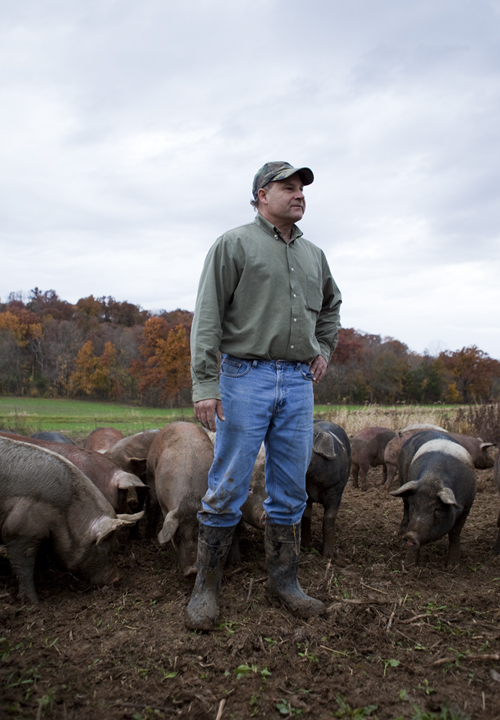
One moment that stood out to me was Russ Kremer reflecting on his past practices. In the movie, he says, "Raising pigs like that was the worst mistake I ever made." After facing the real consequences of using antibiotics and industrial methods, Kremer went cold turkey on them and changed his approach completely. The film then contrasts his story with examples of farmers who adopted healthier, sustainable practices. At the end of the movie, it shows how healthier foods have been introduced to grocery stores directly from farms. It showed how food can be produced responsibly and successfully.


This movie left a lasting impact on me, showing that it's important to know where our food comes from, how it's being produced, and how we can better the cause. This film encouraged awareness and responsibility in those who choose to neglect the truth. Becoming mindful of the food we eat and valuing organic farming can make a difference toward a healthier food system. 

Entry #10:Déjà vu

 There's this weird, split-second moment most of us have experienced, the sensation that you've already lived the moment before. You...